
The 10 Most Expensive LED Screen Buying Mistakes
The buying mistakes that cost the most: wrong pitch for the viewing distance, no spares, unbudgeted rigging, and the ones you cannot fix after delivery.
Most LED screen mistakes are not dramatic. Nobody buys entirely the wrong thing. What happens is that a decision gets made on price, or on a supplier's recommendation, without understanding what it constrains later, and the cost of that shows up months afterwards when it is too late to change.
These are the ones I see repeatedly, roughly in order of how much they cost to get wrong. The first four cannot be fixed after delivery at all.
1. Choosing the Pitch on Price Instead of Viewing Distance
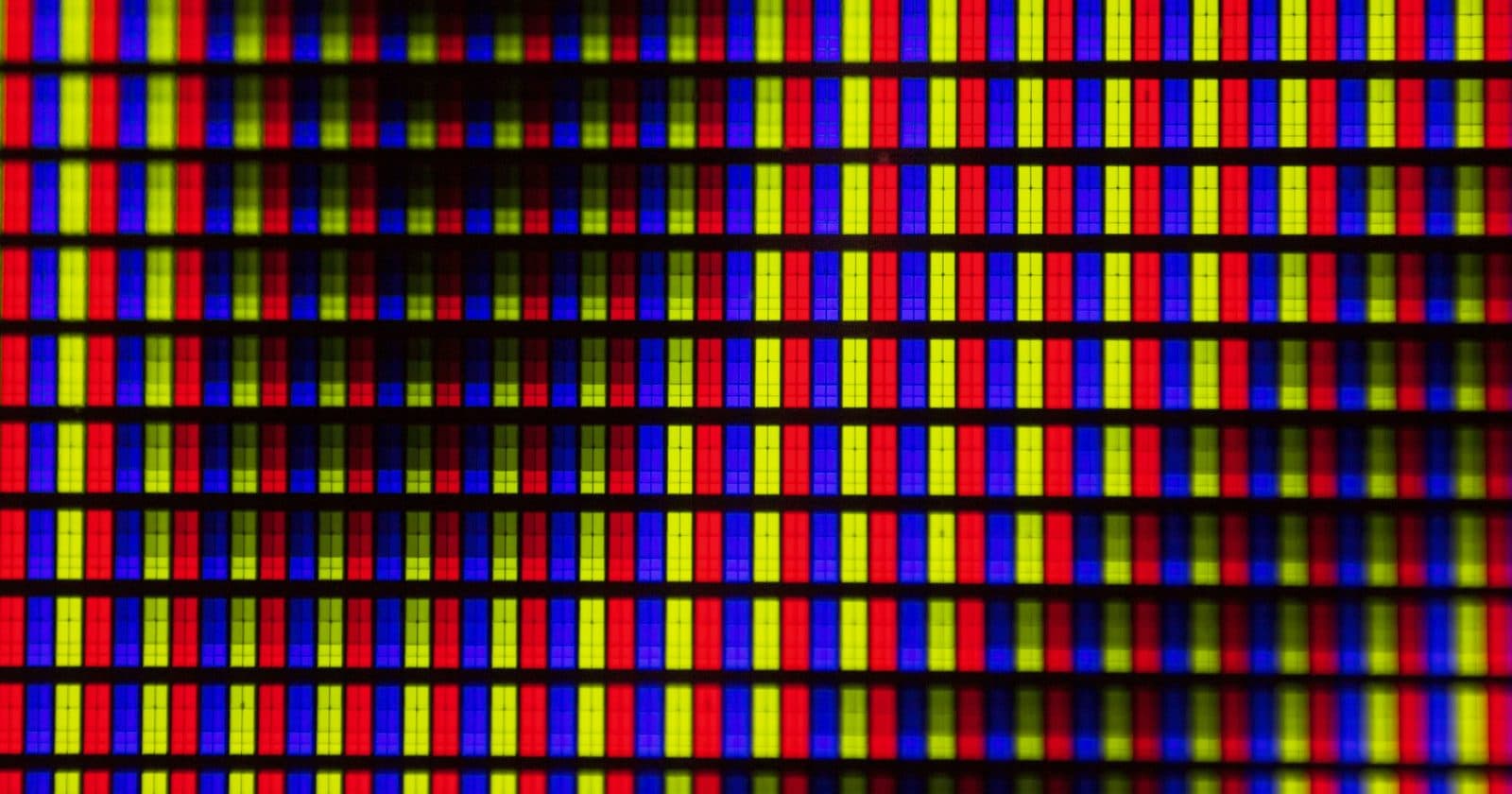
This is the expensive one. A coarser pitch is cheaper per square metre, so it is the obvious place to save money when a budget is tight. The problem is that pixel pitch sets the minimum distance at which the screen looks like a picture rather than a grid of dots.
The working rule is that pitch in millimetres multiplied by 1,000 gives the minimum comfortable viewing distance in millimetres. A P6 screen needs about 6 metres. If your front row is at 3 metres, a P6 will look pixellated to them for the entire life of the screen.
2. Measuring From the Plan Instead of the Room
Related, and just as permanent. The viewing distance that matters is where people will actually stand, not where the drawing says the barrier goes. Barriers move. Queues form in unexpected places. Somebody puts a photo opportunity at the front. The front row is almost always closer than planned.
3. Buying Indoor Cabinets for a Semi-Outdoor Position
A covered stage, a shop window, a canopied entrance. Nothing rains directly on any of them, so they get specified as indoor. But they are outdoor environments as far as light and moisture are concerned, and an indoor screen in one of those positions will be both too dim to read and slowly damaged by condensation.
Semi-outdoor cabinets exist precisely for this, typically rated IP43 to IP54 and running 2,500 to 5,000 nits.
4. Ignoring Refresh Rate Because Nobody Mentioned Cameras
Refresh rate is set at manufacture and cannot be raised later. A screen at 960 Hz looks perfectly fine to the human eye and produces heavy dark banding on camera, which now includes every phone in the audience.
If the screen will ever be photographed, filmed, streamed or posted to social media, specify 3,840 Hz as a minimum. It costs a little more at purchase and nothing at all afterwards.
5. Budgeting for Panels and Forgetting the System
The quote covers cabinets. A working screen needs a controller, data and power cabling, a way of hanging or standing it, flight cases if it moves, and spares. Assume the cabinets are somewhere between half and three-quarters of the real figure.
The failure mode here is not that the money is unavailable, it is that the extras get cut to make the original budget work, and the first thing cut is always spares.
6. Buying No Spares
A screen with one dead module in the middle is unusable on camera and embarrassing in the room. Replacement parts have lead times measured in weeks, and if the product line has moved on, they may not exist at all.
7. Not Asking Whether You Can Buy More Later
Screens get extended. A client wants it wider, a venue changes, the job grows. Two questions decide whether that is possible: is the product line still being made, and will the supplier match the LED bin?
LEDs are manufactured in batches with small variations in colour and brightness. Cabinets from a different batch will not match visually, and no amount of calibration fully hides it. If your supplier cannot promise bin matching, plan to buy the full final size now.
8. Specifying a Screen Nobody Can Service
A screen mounted flush against a solid wall, four metres up, with rear-service cabinets, is a screen that needs scaffolding every time a module fails. That decision gets made at specification and paid for repeatedly across the next ten years.
Ask two questions before signing: will we ever need to maintain this, and can we get behind it? If the answer to the second is no, front-service cabinets are not optional.
9. Choosing the Supplier on Headline Price
The cheapest quote is often cheapest because it excludes things, uses a lower LED bin grade, or comes from a company that will not be selling this product line in two years. The panel specification is what you get on day one. The supplier is what you get for the next decade.
10. Not Verifying Power and Rigging Before Committing
Two things get discovered on install day with expensive regularity: the venue supply cannot deliver the load, and the structure cannot take the weight. Both are checkable in advance, and both are dangerous rather than merely inconvenient.
The Pattern Behind All Ten
Almost every mistake on this list comes from specifying the product before understanding the situation it goes into. Work out the room first: how close the nearest viewer stands, how far the furthest sits, how much light is falling on the screen, whether a camera will see it, and who will maintain it.
Do that and most of these become impossible, because each answer rules out the wrong products before you ever compare prices.
Get It Right the First Time
The complete guide covers specification, planning and installation in depth, with the pixel calculator, wiring diagrams and the on-site checklists that catch these before they cost you.
Get the Complete Guide for £35 →Frequently Asked Questions
- What is the single most expensive mistake?
- Choosing the pixel pitch on price rather than on viewing distance. It cannot be corrected after delivery without replacing the cabinets, which means buying the screen twice.
- Can a screen that is too coarse be improved with better content?
- No. Pixel pitch is physical. Content design can hide it a little, by avoiding fine text and heavy detail, but if the audience stands closer than the pitch allows they will see the grid regardless of what is on it.
- How many spares should I buy?
- Four spare cabinets and a handful of spare modules is a sensible floor for a rental system, plus spare data cables and ideally a spare controller. The test is simple: if one module dies the morning of a show, can you still open?
- Is buying secondhand a mistake?
- Not inherently, but it carries specific risks: no warranty, calibration data that may not transfer, unknown hours on the LEDs, and a real chance the product line is discontinued so matching cabinets no longer exist. Check spare parts availability before anything else.
- What should I have asked that I probably did not?
- Whether the supplier can still sell you matching cabinets in two years, from the same LED bin. Screens get extended far more often than people expect, and a mismatched extension is visible from across the room.