
LED Screen Hire vs Buy: Which Makes Financial Sense?
Should you hire or buy your LED screen? This guide runs the numbers on hire costs vs purchase price, explains the hidden costs of ownership, and gives you a clear framework for making the right decision for your business.
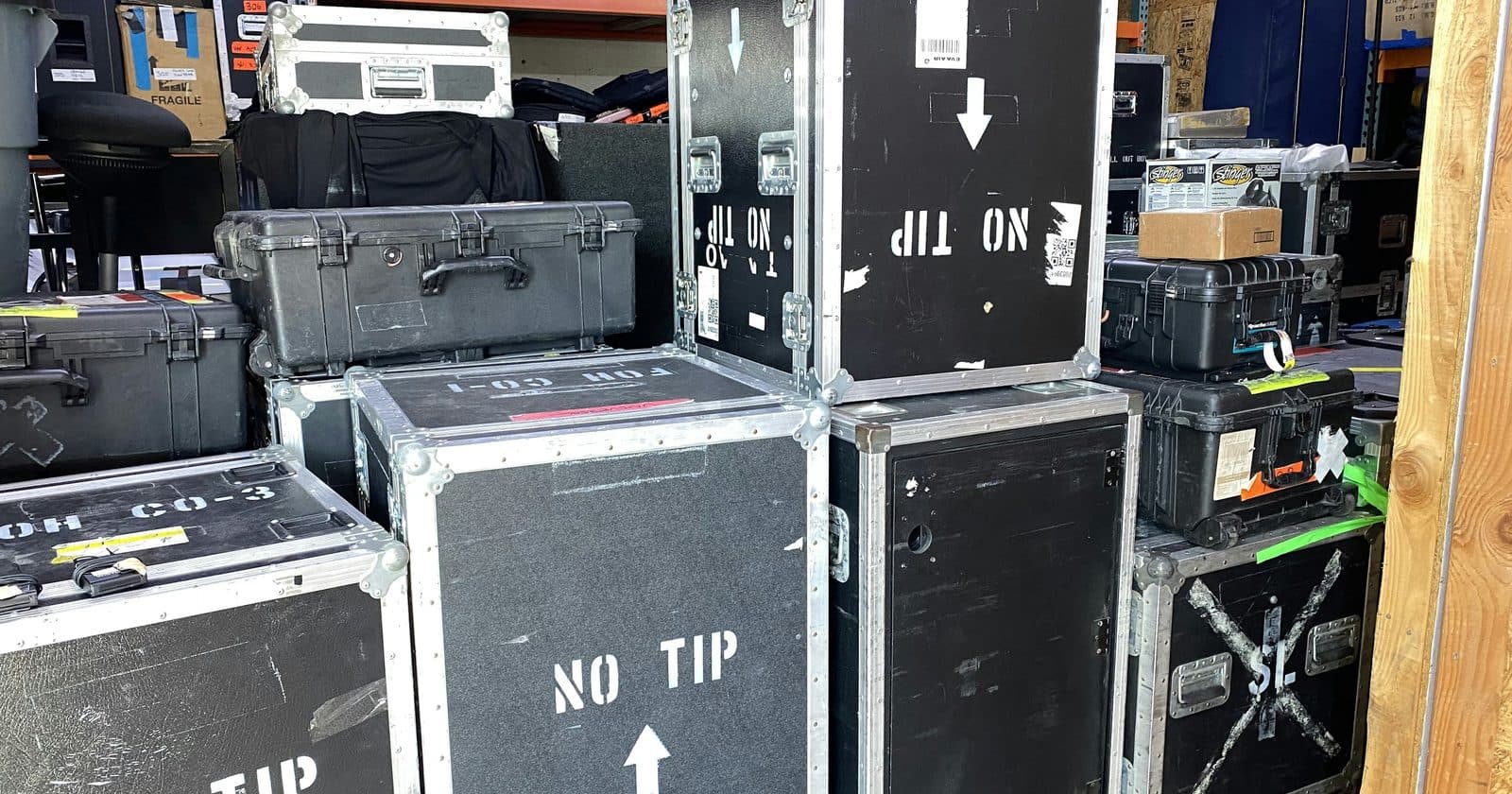
One of the first decisions for anyone entering the LED screen industry is whether to hire screens for each event or invest in purchasing your own equipment. It's a significant financial decision (a professional LED screen system can cost anywhere from £10,000 to £150,000+), and the wrong choice can either leave you chronically overpaying on hire costs or stuck with depreciating equipment you can't utilise enough to make the numbers work. This guide gives you the framework to make the right call.
The Case for Hiring
Hiring LED screens from a rental company means paying per event for the exact size and specification you need. The advantages are significant:
- Zero capital outlay: no large upfront investment; cost is a per-event expense
- Always current technology: hire companies maintain and update their stock; you always get working, current-spec equipment
- Right size for every job: hire a small screen for a corporate event, a large one for a festival; no compromises
- No maintenance costs: repairs, firmware updates, and failed components are the hire company's problem
- No storage cost: LED screen flight cases take significant warehouse space
- No transport vehicle requirement: hire companies typically deliver and collect
- Flexibility: if a job is cancelled, your only cost is the cancellation fee, not idle capital equipment
Hire makes obvious sense if you're doing a small number of events per year, events of varying sizes, or if you're early in your business and haven't yet established reliable demand.
The Case for Buying
Purchasing your own LED screen equipment makes sense when hire costs consistently exceed the cost of ownership. The advantages of ownership:
- Revenue potential: once paid off, every event generates pure margin; hire costs eat into every job's profitability
- Availability: no risk of being unable to supply a job because hire stock is committed elsewhere
- Control: you know your equipment's history, condition, and configuration; no surprises on-site
- Sub-hire income: when you're not using it, you can hire your equipment to other companies
- Faster setup: crews who work with their own equipment every day are significantly faster than crews using unfamiliar hired kit
- Customisation: your configuration, your cables labelled your way, your workflow
Running the Numbers: The Break-Even Calculation
The key question is: at what event frequency does purchase become cheaper than hire? The calculation:
Example: A P3.9 LED screen system (6m × 3.375m, 12×6 cabinets, full set including controller and flight cases):
| Cost Item | One-Off Purchase | Annual Hire (20 events) |
|---|---|---|
| Cabinets (72 × P3.9) | £28,000–£45,000 | £72,000 (£3,600 × 20) |
| Novastar controller | £1,200–£2,500 | (included in hire) |
| Flight cases | £3,000–£6,000 | (included in hire) |
| Delivery vehicle / transport | £4,000–£8,000/yr | (included in hire) |
| Maintenance & repairs | £500–£2,000/yr | (included in hire) |
| Storage (warehouse) | £1,200–£3,600/yr | n/a |
| Insurance | £500–£1,500/yr | n/a |
| Total year 1 | £41,000–£65,000 | £72,000 |
| Total year 3 | £47,000–£79,000 | £216,000 |
At 20 events per year, ownership in this example pays back within 12–18 months and generates significant savings from year 2 onwards. At 5 events per year, the break-even extends to 5+ years, during which technology may have changed enough to make the equipment less competitive.
What Equipment to Buy First
If you've decided to buy, the order of purchase matters. Don't try to build a complete system immediately, start with a core configuration that covers your most common jobs and hire supplementary equipment as needed.
- Cabinets first: buy enough for your most frequent event size. If you typically do 4m × 3m screens, buy 48 cabinets (8×6 at 500mm)
- Controller: MCTRL660 covers the vast majority of screen sizes; upgrade to VX series if you need source switching
- Cables: don't under-invest in cabling; budget for 1.5× the cables you think you need
- Flight cases: professional cases are expensive but essential; cheap cases will cost more in repairs
- Ground support: if you do ground-based screens, own your support system; don't hire it per event
- Spare parts: keep at minimum 4 spare cabinets, 4 spare data cables, a spare controller
Pixel Pitch: What to Buy
The pixel pitch you choose for your first LED screen purchase is the most important specification decision. The most versatile pitch for events rental in the UK and EU market:
- P3.9: the industry standard for events. Works for 80%+ of indoor and covered outdoor events. Minimum viewing distance ~4m. Handles standard corporate, concert, and festival work.
- P2.6: a strong upgrade if you do a lot of corporate/conference work with audiences as close as 3 metres and content requiring high text legibility.
- P5 or P6: if you predominantly do outdoor work in festivals or large venues where audiences are 10+ metres away.
Unless you have a very specific niche, buy P3.9 first. It's the most liquid asset if you later want to sell, has the largest hire and spare parts ecosystem, and is the pitch most hire companies want to buy used.
The Hybrid Approach
Most successful LED screen businesses use a hybrid model: own a core screen size that covers their most frequent jobs, and hire supplementary equipment when a job exceeds the owned system or requires a different specification.
This approach gives you the margin benefits of ownership on bread-and-butter jobs while maintaining the flexibility to take on larger or specialist work without the capital commitment of equipment you'd rarely use.
A common starting configuration: own 72–96 cabinets at P3.9 (enough for 6m × 3m to 8m × 3m screens), supplement with hire for anything larger. This covers the majority of events work while keeping investment manageable.
Equipment Planning in the Complete Guide
Chapter 4 of the full guide covers LED screen specification and planning, including equipment lists, pixel count calculations, and a framework for building a rental business starting from a single screen system.
Get the Full Guide for £35 →